Nourishing Lives, Blessed Communities

Evangelical Lutheran Church Social Service - Hong Kong, Hong Kong

Health Concerns at Grassroots

Since 2020, the North District Integrated Youth Service Centre of the Evangelical Lutheran Church Social Service – Hong Kong (“ELCSS-HK”) has reached many vulnerable families in remote villages through pandemic support services in North District.  The team found the physical and mental health of both children and parents severely impacted by poor living conditions, financial pressure, and frequent relocation. Many children suffered from frequent illnesses and unbalanced diets, while families rarely had the opportunity to go on outings or participate in social activities, which could hinder the children’s development as well as family relationships in the long term.

The team organized monthly neighborhood gatherings to regularly meet with these families, arranging services such as free-of-charge Traditional Chinese Medicine consultations and eye tests for children.  This gradually increased health awareness and established a community focal point.  To further address the holistic health needs of grassroots families, the team explored expanding primary healthcare and developmental family services.

Underused Space Transformed Into Warm Community Hub

With the support of ZeShan Foundation, ELCSS-HK launched the North District Community Hub.  The project, which runs from March 2025 to February 2027, aims to improve the physical and mental health of grassroots children, adolescents, and their families in North District, enabling lives to connect and joy to be shared.

Previously, the Centre’s sub-base at Choi Yuk House of Choi Yuen Estate in Sheung Shui only opened for specific activities. The team has now put the space to better use during previous idle hours, creating a community hub by rearranging existing facilities and adding furniture.  Its opening hours are tailored to the needs of parents and youth, providing an extended living space for families in inadequate housing.  In their free time, families gather to share homemade soup, while children do homework or relax on bean bags playing video games after school, evidently feeling very at home.

Cross-disciplinary Collaboration to Identify Health Needs

The North District Community Hub is underpinned by the belief that health should not be constrained by one’s environment or financial means, and that everyone should have the capacity and resources to take charge of their own health.  The project adopts a community-based medical-social collaboration model, using social prescribing and health management as interventions to uncover and connect local assets and resources.  The team arranged health screenings in partnership with the Jockey Club Healthy Community Hub Empowerment Scheme for residents with inadequate housing, which was under the Chinese University of Hong Kong (CUHK) Jockey Club School of Public Health and Primary Care.  The results revealed the prevalence of picky eating among children; that over 60% of parents showed at least one early symptom of the Three Highs (high blood pressure, high blood sugar, high cholesterol); and that around one-fifth of families reported emotional distress affecting both parents and children, with some parents requiring regular visits to public hospitals.  Those families identified as having health risks received case follow-ups and introductions to suitable resources.

Four Social Prescriptions For Healthy Community

Health is enhanced bit by bit in daily life.  To create a healthy community, the team has designed four types of non-medical social prescriptions with local characteristics – food, exercises, nature, and arts – which are matched with families’ health needs.

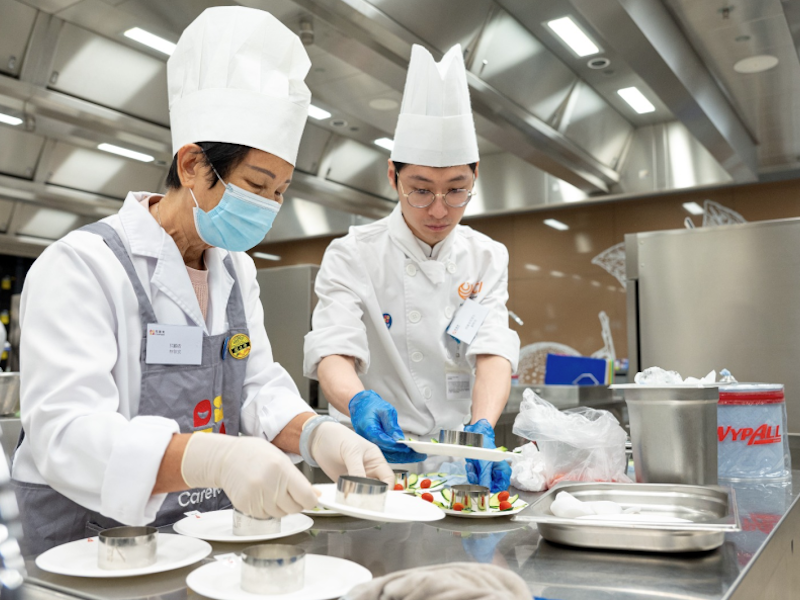
In terms of food prescriptions, the team and CUHK co-organized mindful eating groups for caregivers as well as guided tours of wet markets and dawn markets.  Registered dietitians shared how to use fresh, affordable local ingredients and explored recipes to create healthy dishes that children enjoy. A participant shared that her child disliked fish, but she developed the idea of mixing canned sardines, seaweed, and sweetcorn to create sardine rice balls, which became very popular.  This process strengthened parent-child relationships while addressing the problem of picky eating.

As for nature prescriptions to heal body and mind, given North District’s proximity to the countryside, the project partnered with the food and agriculture education team Sow & Grow to organize a food and agriculture group. Families had the chance to experience first-hand the “farm-to-table” process, from clearing and nourishing the fields to selecting seeds, planting, and harvesting.  Many children were thrilled to see for the first time vegetables they themselves had grown, and tried making homemade roselle jam. Their interest in vegetables, and the physical work brought parents and children closer to each other and to the land.

The opening ceremony of the North District Community Hub was held on 24 October 2025. It was officiated by Mr Chris Sun, JP,   Secretary for Labour and Welfare; Ms Irene So, Executive Director of ZeShan Foundation; and Mr Kwok Kang-ming, Chairman of the Executive Committee of ELCSS-HK. The guests together transplanted wampee saplings nurtured by the community, symbolizing how the efforts to nourish grassroots families’ wellbeing has firmly taken root in North District.

The project goes beyond service provision, also emphasizing empowerment and encouraging self-help and mutual help among families, so as to improve the quality of life and strengthen social capital.  The project will launch Community Connector trainings, so that beneficiary families and health-conscious residents can receive professional training to bring health further into the community.

North District Community Hub Team
The Evangelical Lutheran Church Social Service – Hong Kong

Children introducing delicious, bite-sized crispy rice balls to the officiating guest, Mr Chris Sun (Secretary for Labour and Welfare of Hong Kong Special Administrative Region).

PlayPause
previous arrowprevious arrow
next arrownext arrow
 

Children introducing delicious, bite-sized crispy rice balls to the officiating guest, Mr Chris Sun (Secretary for Labour and Welfare of Hong Kong Special Administrative Region).

PlayPause
previous arrowprevious arrow
next arrownext arrow
 

Health Concerns at Grassroots

Since 2020, the North District Integrated Youth Service Centre of the Evangelical Lutheran Church Social Service – Hong Kong (“ELCSS-HK”) has reached many vulnerable families in remote villages through pandemic support services in North District.  The team found the physical and mental health of both children and parents severely impacted by poor living conditions, financial pressure, and frequent relocation.  Many children suffered from frequent illnesses and unbalanced diets, while families rarely had the opportunity to go on outings or participate in social activities, which could hinder the children’s development as well as family relationships in the long term.

The team organized monthly neighborhood gatherings to regularly meet with these families, arranging services such as free-of-charge Traditional Chinese Medicine consultations and eye tests for children.  This gradually increased health awareness and established a community focal point.  To further address the holistic health needs of grassroots families, the team explored expanding primary healthcare and developmental family services.

Underused Space Transformed Into Warm Community Hub

With the support of ZeShan Foundation, ELCSS-HK launched the North District Community Hub.  The project, which runs from March 2025 to February 2027, aims to improve the physical and mental health of grassroots children, adolescents, and their families in North District, enabling lives to connect and joy to be shared.

Previously, the Centre’s sub-base at Choi Yuk House of Choi Yuen Estate in Sheung Shui only opened for specific activities.  The team has now put the space to better use during previous idle hours, creating a community hub by rearranging existing facilities and adding furniture.  Its opening hours are tailored to the needs of parents and youth, providing an extended living space for families in inadequate housing. In their free time, families gather to share homemade soup, while children do homework or relax on bean bags playing video games after school, evidently feeling very at home.

Cross-disciplinary Collaboration to Identify Health Needs

The North District Community Hub is underpinned by the belief that health should not be constrained by one’s environment or financial means, and that everyone should have the capacity and resources to take charge of their own health.  The project adopts a community-based medical-social collaboration model, using social prescribing and health management as interventions to uncover and connect local assets and resources. The team arranged health screenings in partnership with the Jockey Club Healthy Community Hub Empowerment Scheme for residents with inadequate housing, which was under the Chinese University of Hong Kong (CUHK) Jockey Club School of Public Health and Primary Care.  The results revealed the prevalence of picky eating among children; that over 60% of parents showed at least one early symptom of the Three Highs (high blood pressure, high blood sugar, high cholesterol); and that around one-fifth of families reported emotional distress affecting both parents and children, with some parents requiring regular visits to public hospitals. Those families identified as having health risks received case follow-ups and introductions to suitable resources.

Four Social Prescriptions For Healthy Community

Health is enhanced bit by bit in daily life. To create a healthy community, the team has designed four types of non-medical social prescriptions with local characteristics – food, exercises, nature, and arts – which are matched with families’ health needs.

In terms of food prescriptions, the team and CUHK co-organized mindful eating groups for caregivers as well as guided tours of wet markets and dawn markets.  Registered dietitians shared how to use fresh, affordable local ingredients and explored recipes to create healthy dishes that children enjoy.  A participant shared that her child disliked fish, but she developed the idea of mixing canned sardines, seaweed, and sweetcorn to create sardine rice balls, which became very popular.  This process strengthened parent-child relationships while addressing the problem of picky eating.

As for nature prescriptions to heal body and mind, given North District’s proximity to the countryside, the project partnered with the food and agriculture education team Sow & Grow to organize a food and agriculture group.  Families had the chance to experience first-hand the “farm-to-table” process, from clearing and nourishing the fields to selecting seeds, planting, and harvesting.  Many children were thrilled to see for the first time vegetables they themselves had grown, and tried making homemade roselle jam. Their interest in vegetables, and the physical work brought parents and children closer to each other and to the land.

The opening ceremony of the North District Community Hub was held on 24 October 2025.  It was officiated by Mr Chris Sun, JP,   Secretary for Labour and Welfare; Ms Irene So, Executive Director of ZeShan Foundation; and Mr Kwok Kang-ming, Chairman of the Executive Committee of ELCSS-HK.  The guests together transplanted wampee saplings nurtured by the community, symbolizing how the efforts to nourish grassroots families’ wellbeing has firmly taken root in North District.

The project goes beyond service provision, also emphasizing empowerment and encouraging self-help and mutual help among families, so as to improve the quality of life and strengthen social capital.  The project will launch Community Connector trainings, so that beneficiary families and health-conscious residents can receive professional training to bring health further into the community.

North District Community Hub Team
The Evangelical Lutheran Church Social Service – Hong Kong

Catalyzing Community Transformation

Caritas Hong Kong & One Bite Social, Hong Kong
In Sheung Wan, Project House @1QRW (“Project House”) is not merely a gathering place but a catalyst for fostering community partnerships, transformation and support network.  Co-funded by ZeShan Foundation and Chow Tai Fok Charity Foundation and co-operated by Caritas and One Bite Social, this initiative is aimed at building a vibrant hub of community activities and mutual support to combat loneliness among some residents in the district.  Located at 1 Queen’s Road West, as a historical shop formerly reputed for selling Cantonese siumei, Project House leverages the strengths of traditional social work and creative, community-centric approaches to address urban social challenges.

Changemaker from Other Side of Spectrum

One Bite Social is a community-empowering and life-giving arm created by One Bite Design Studio.   As a key partner in Project House, One Bite Social brings our unique ethos of creative changemaking to the table.  It champions a community-driven and human-centric approach to urban space design and utilization.  With a pool of creative talents at One Bite Design, One Bite Social has been gearing social-private collaborations and pioneering urban innovations with social impact.  Creating or  curating delightful daily surprises for the community is our team’s humble vision.  We take on a multifaceted approach, focusing on Experimentation, Creative Partnership, and Co-Learning.

Cross-Sectoral Collaboration

In Project House, our collaboration showcases how aligning different sectors can enhance the effectiveness of social initiatives.  One Bite Social and Caritas bring together disparate expertise, blending innovative creative practices with established methods of social work.  This partnership not only broadens the scope of what can be achieved but also deepens the impact of each organization’s efforts.

For instance, we co-created many district-based activities, such as Sheung Wan Sewing Squad and White Space, to meet community needs through creative and inclusive approaches.  These activities provide skills training, foster community bonds, and enhance local resilience.  While the Caritas team is contributing with their expertise in building bonding with kaifong (residents), these activities do not stop at social work level.   One Bite Social is trying hard to turn the outcomes of these activities into more self-sustainable models that can export kaifong’s capability to meet other neighbors’ needs.  The rich iterative process at Project House is uncommon yet powerful in the local social work scene.   And this can only be achieved through the creative partnerships between One Bite Social and Caritas.

Growing Together

This collaboration also represents a mutual learning journey for both organizations involved. It requires aligning languages, adapting working habits, and fine-tuning mindsets. By integrating the best traits from each team, the project not only progresses towards its objectives but also exemplifies effective cross-sectoral collaboration. With a shared vision, the teams are better equipped to carefully address and evolve through the nuances and challenges that arise.

Broader Implications for Social Change

The success of Project House raises important considerations for the broader social service sector.  It demonstrates the potential of creative collaborations in generating more nuanced and effective solutions to social problems.  More importantly, it highlights the need for flexibility in partnerships and the benefits of integrating diverse perspectives into social service design and delivery.

Every Small Change Counts

In conclusion, the work being done at Project House and the broader initiatives led by One Bite Social represent a forward-thinking approach to social change.  By continuing to embrace these creative partnerships and learning from each venture, we not only respond to but also shape the evolving landscape of our communities, making every small change count towards a larger, collective impact.


Sarah Mui
Co-founder
One Bite Social

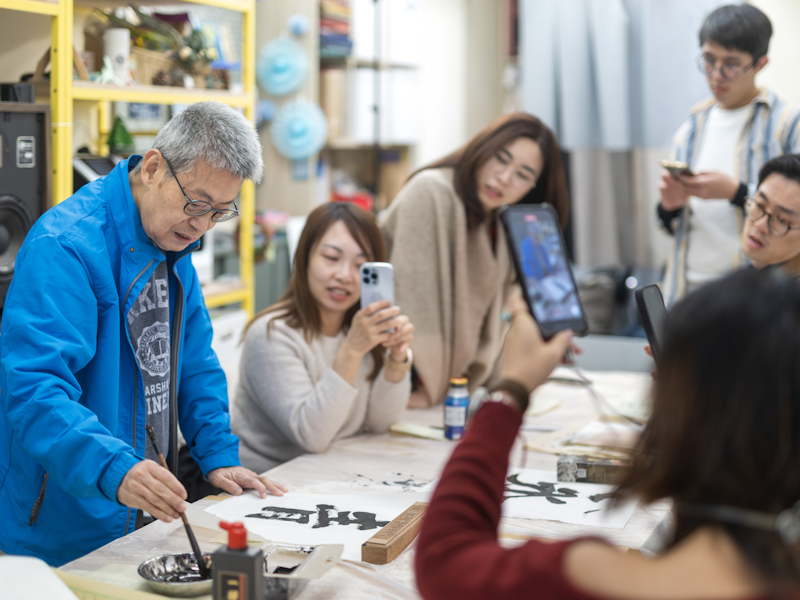
Old Kaifong Mr. Au teaching Chinese calligraphy at the Good Morning Sheung Wan event.

PlayPause
previous arrowprevious arrow
next arrownext arrow
 

Old Kaifong Mr. Au teaching Chinese calligraphy at the Good Morning Sheung Wan event

PlayPause
previous arrowprevious arrow
next arrownext arrow
 

In Sheung Wan, Project House @1QRW (“Project House”) is not merely a gathering place but a catalyst for fostering community partnerships, transformation and support network.  Co-funded by ZeShan Foundation and Chow Tai Fok Charity Foundation and co-operated by Caritas and One Bite Social, this initiative is aimed at building a vibrant hub of community activities and mutual support to combat loneliness among some residents in the district.  Located at 1 Queen’s Road West, as a historical shop formerly reputed for selling Cantonese siumei, Project House leverages the strengths of traditional social work and creative, community-centric approaches to address urban social challenges.

Changemaker from Other Side of Spectrum

One Bite Social is a community-empowering and life-giving arm created by One Bite Design Studio.   As a key partner in Project House, One Bite Social brings our unique ethos of creative changemaking to the table.  It champions a community-driven and human-centric approach to urban space design and utilization.  With a pool of creative talents at One Bite Design, One Bite Social has been gearing social-private collaborations and pioneering urban innovations with social impact.  Creating or  curating delightful daily surprises for the community is our team’s humble vision.  We take on a multifaceted approach, focusing on Experimentation, Creative Partnership, and Co-Learning.

Cross-Sectoral Collaboration

In Project House, our collaboration showcases how aligning different sectors can enhance the effectiveness of social initiatives.  One Bite Social and Caritas bring together disparate expertise, blending innovative creative practices with established methods of social work.  This partnership not only broadens the scope of what can be achieved but also deepens the impact of each organization’s efforts.

For instance, we co-created many district-based activities, such as Sheung Wan Sewing Squad and White Space, to meet community needs through creative and inclusive approaches.  These activities provide skills training, foster community bonds, and enhance local resilience.  While the Caritas team is contributing with their expertise in building bonding with kaifong (residents), these activities do not stop at social work level.   One Bite Social is trying hard to turn the outcomes of these activities into more self-sustainable models that can export kaifong’s capability to meet other neighbors’ needs.  The rich iterative process at Project House is uncommon yet powerful in the local social work scene.   And this can only be achieved through the creative partnerships between One Bite Social and Caritas.

Growing Together

This collaboration also represents a mutual learning journey for both organizations involved. It requires aligning languages, adapting working habits, and fine-tuning mindsets. By integrating the best traits from each team, the project not only progresses towards its objectives but also exemplifies effective cross-sectoral collaboration. With a shared vision, the teams are better equipped to carefully address and evolve through the nuances and challenges that arise.

Broader Implications for Social Change

The success of Project House raises important considerations for the broader social service sector.  It demonstrates the potential of creative collaborations in generating more nuanced and effective solutions to social problems.  More importantly, it highlights the need for flexibility in partnerships and the benefits of integrating diverse perspectives into social service design and delivery.

Every Small Change Counts

In conclusion, the work being done at Project House and the broader initiatives led by One Bite Social represent a forward-thinking approach to social change.  By continuing to embrace these creative partnerships and learning from each venture, we not only respond to but also shape the evolving landscape of our communities, making every small change count towards a larger, collective impact.


Sarah Mui
Co-founder
One Bite Social

Related Link

Inner Peace

One Take Limited, Hong Kong

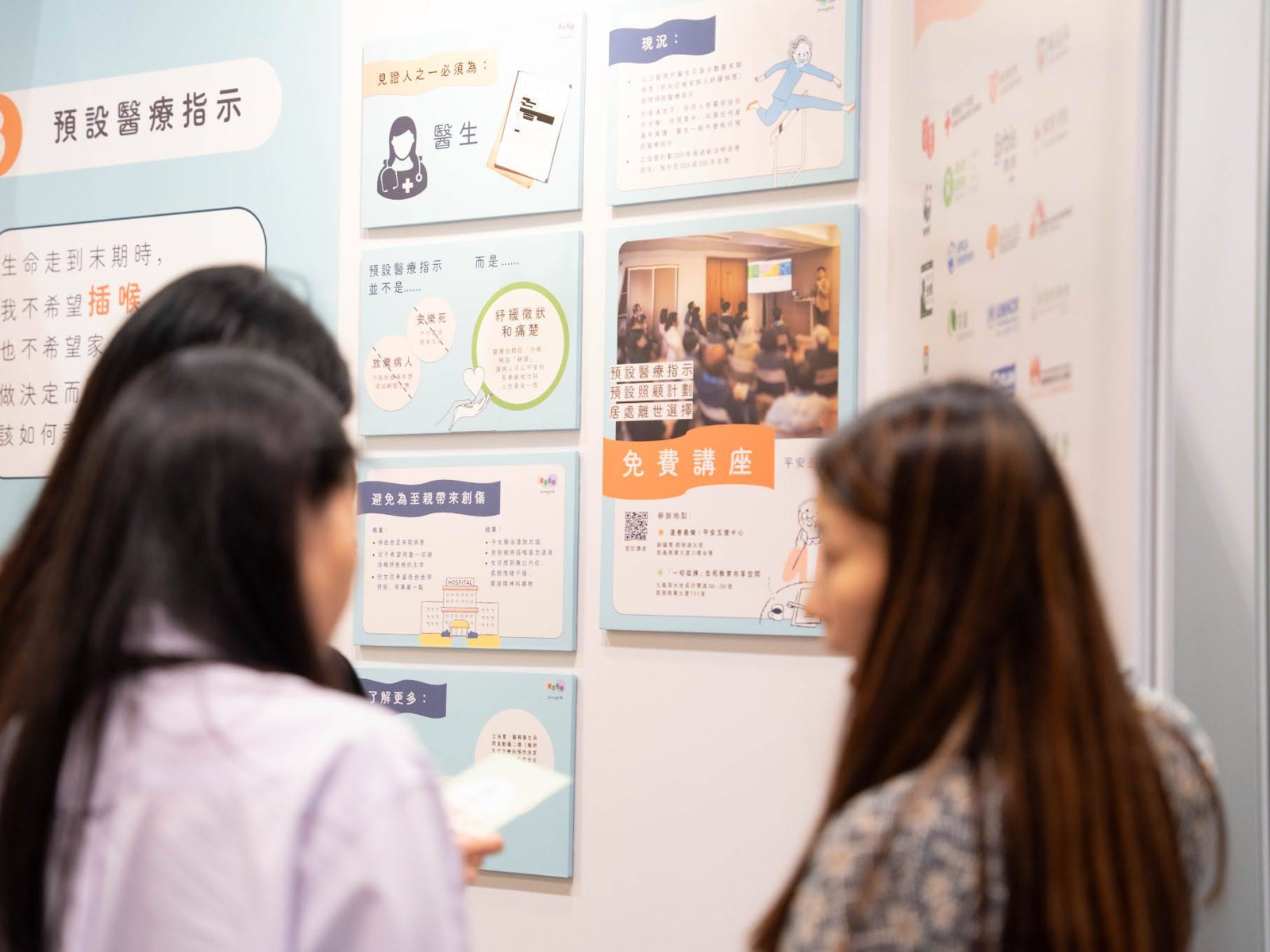
‘May the Five Blessings descend upon your door’ is an auspicious saying commonly exchanged on festive occasions. In fact, ‘Five Blessings’ comes from Confucian classic The Book of Documents and refers to longevity, wealth, health, virtue, and peaceful passing, in its chapter on Great Plan. In today’s Hong Kong, how can we ensure that our loved ones and ourselves enjoy all Five Blessings in our finite lives?

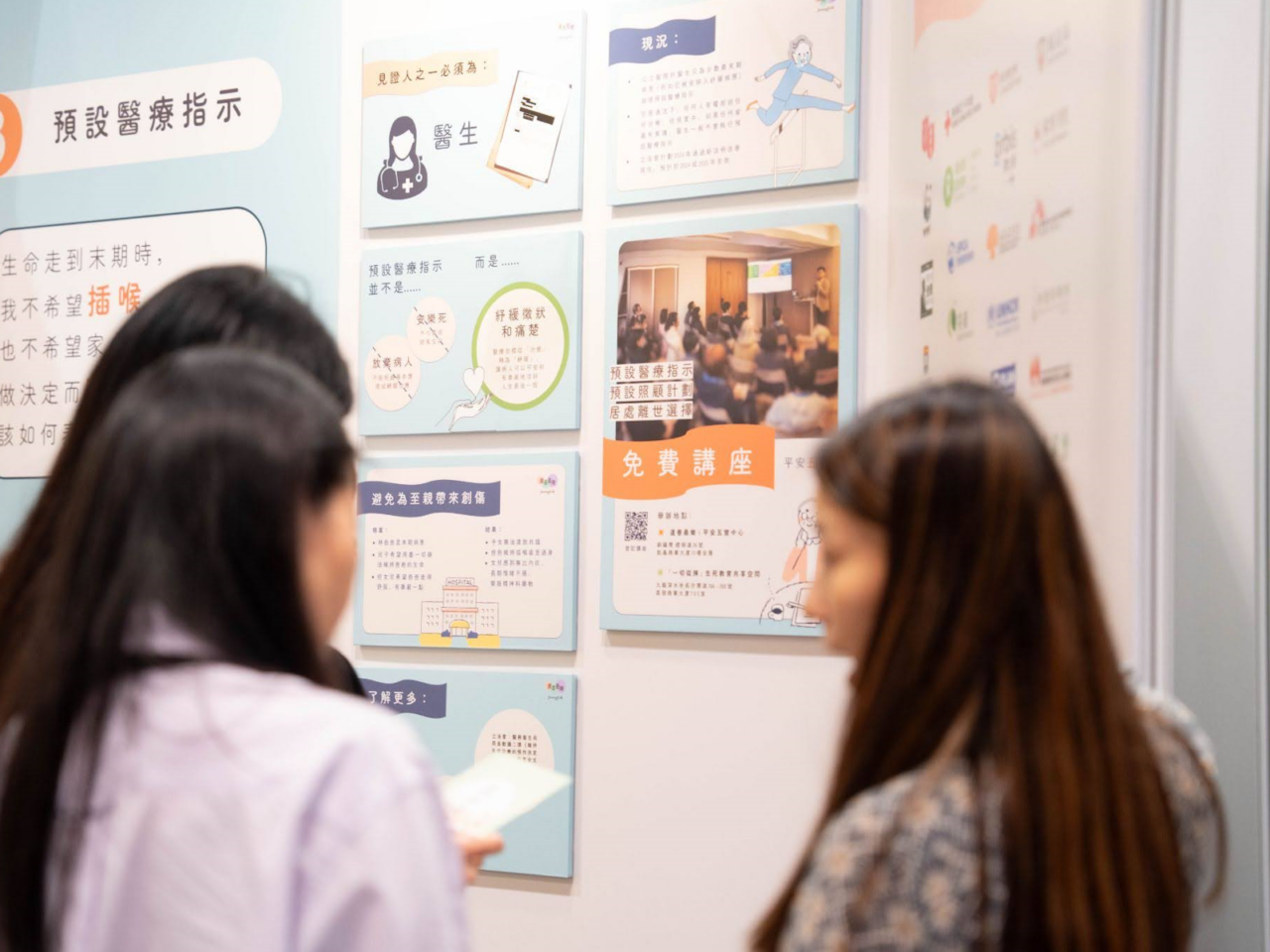
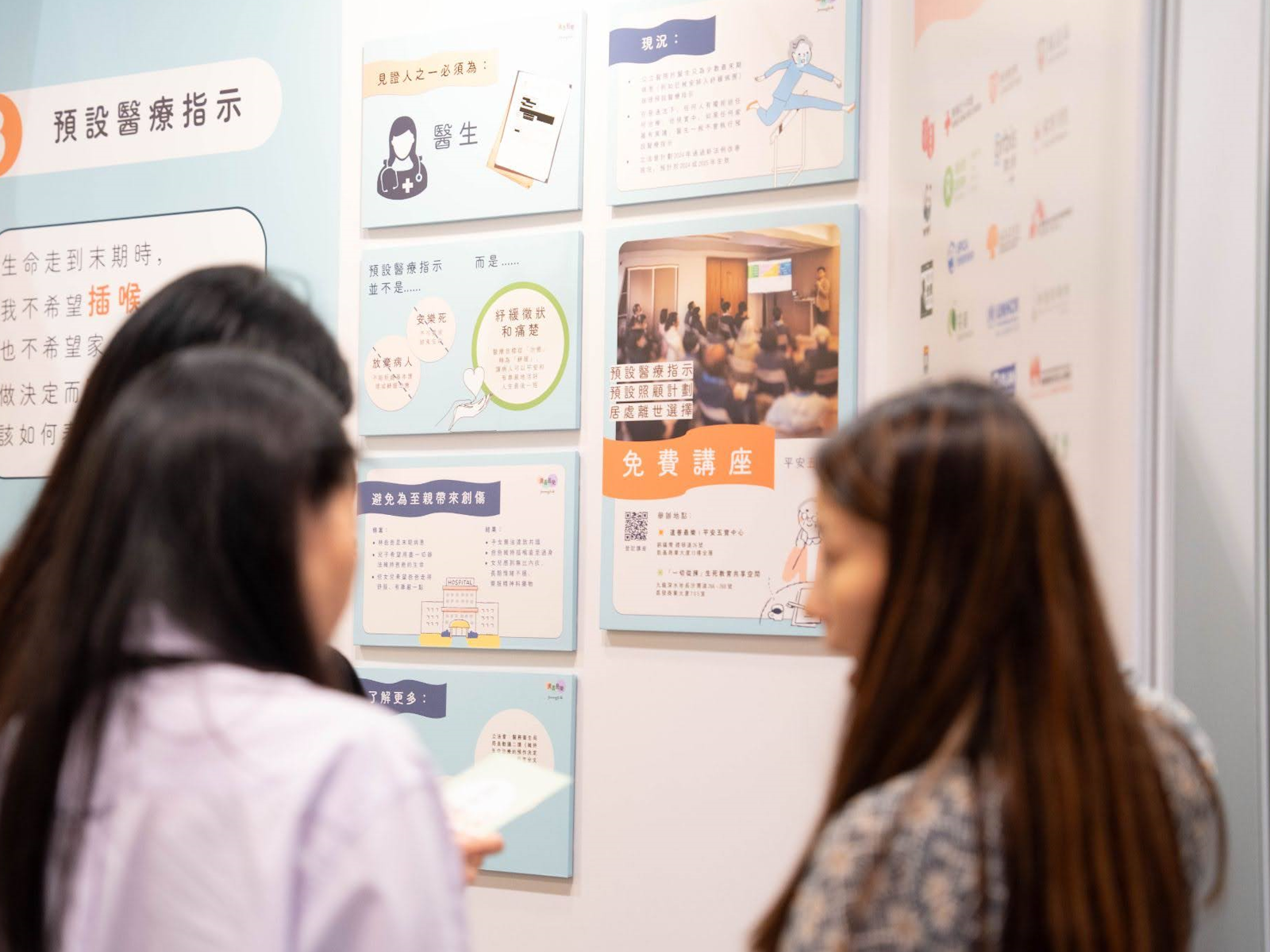
‘Five Blessings’ is Hong Kong’s first professional life-death planning service. It was launched by OneTake ted jointly with two other local social enterprises, ‘ForeverGift.hk’ and ‘Minimal Funeral Limited’. Let it Go.’ Our team of lawyers, doctors, and funeral planners offer a one-stop solution to arranging one’s will, enduring power of attorney, and advanced directive in relation to medical treatment, besides funeral planning and capturing life stories. We organise talks for social service organisations and the public, so as to help people of different socio-economic backgrounds make preparations for themselves and their loved ones with ease.

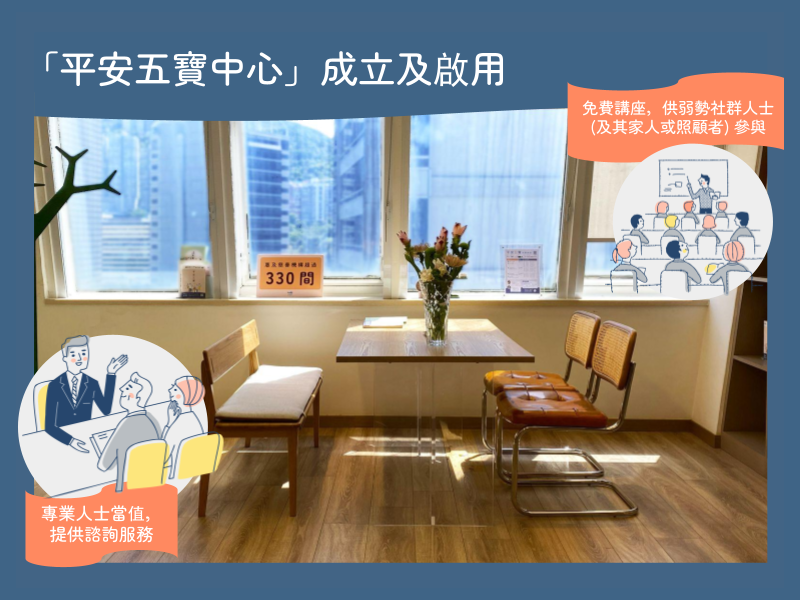
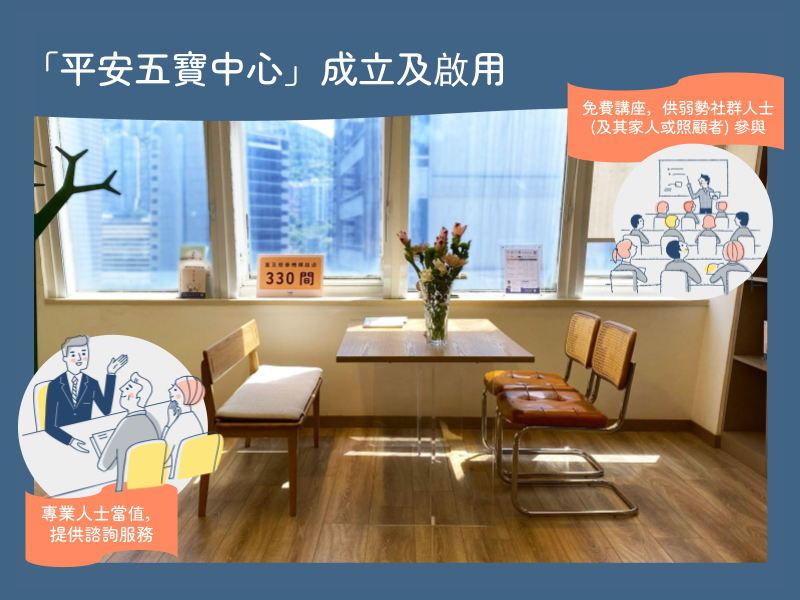
To ensure that underprivileged communities can access such services, we established Hong Kong’s first Five Blessings Center, with funding from ZeShan Foundation, other family foundations, and the Social Innovation and Entrepreneurship Development Fund (SIE Fund), as well as support from the Hong Kong Council of Social Service’s Impact Incubator. Our Inner Peace Program aims to popularise life-death planning through public education and professional consultation, as well as offering ‘Five Blessings’ services free-of-charge to older adults and chronically or terminally ill patients referred by social service organisations.


Five Blessings Centre, One Take Limited

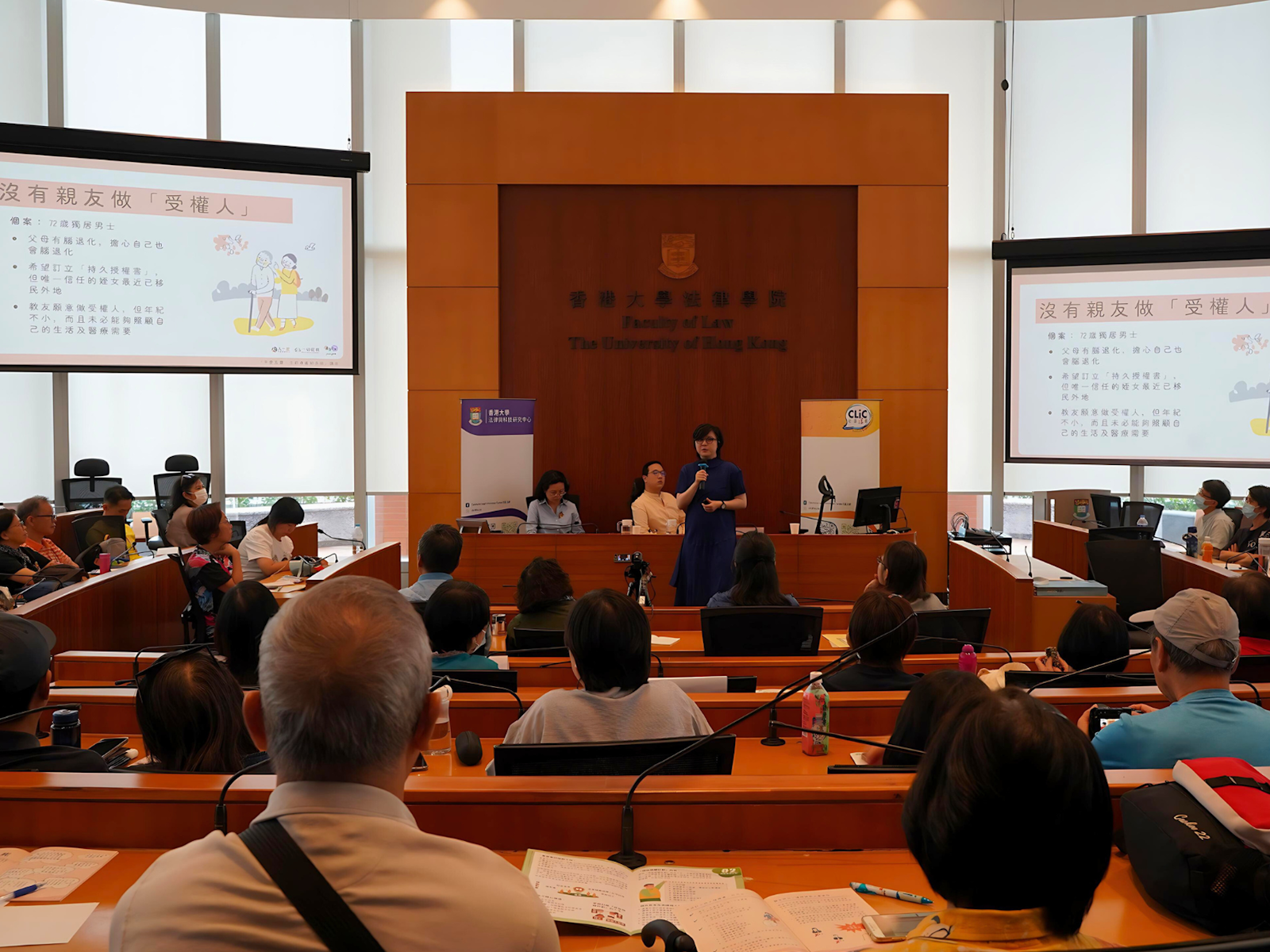
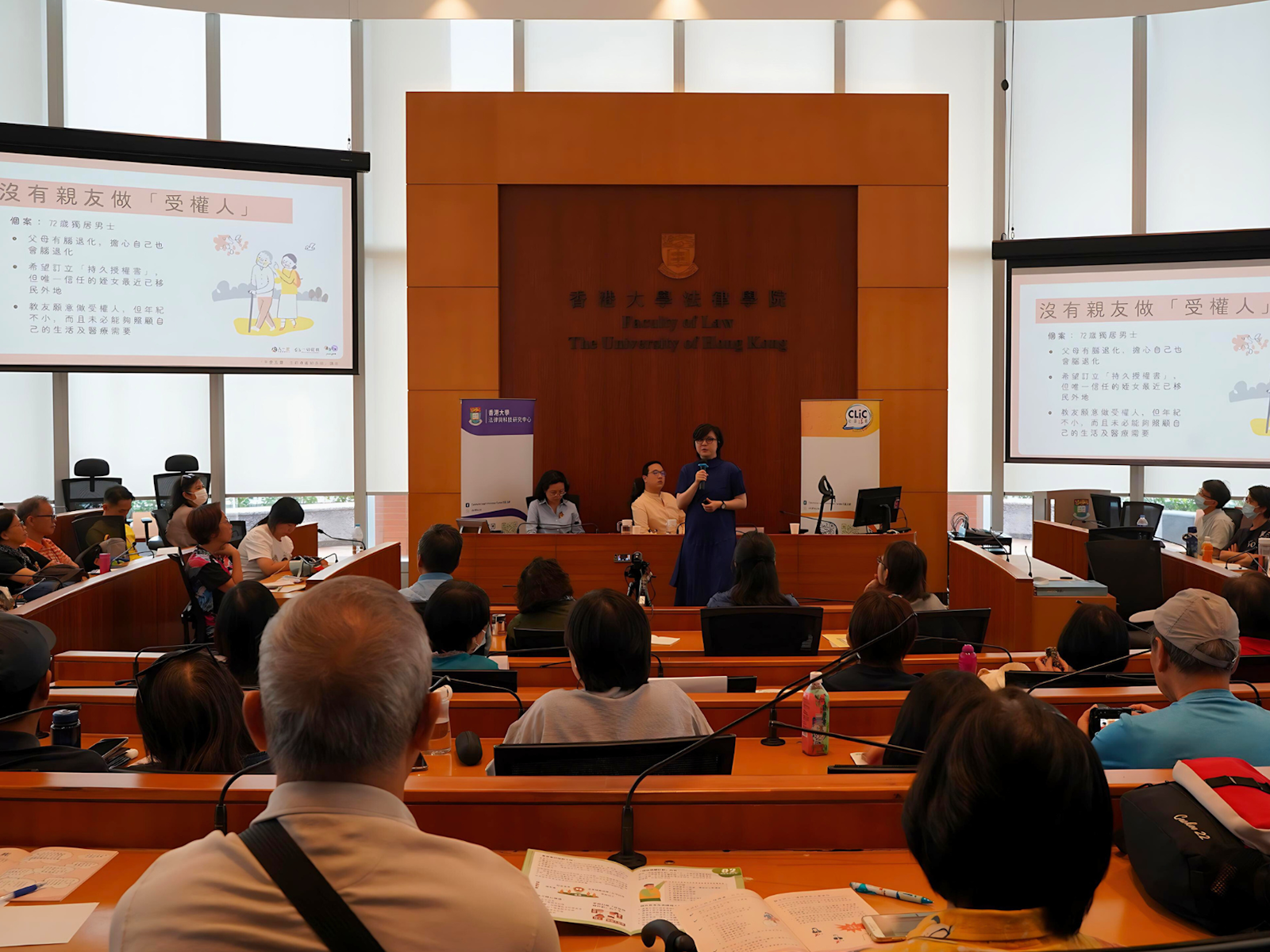
The program’s lawyer partner is invited to speak at a talk for older adults, organised by the Senior Community Legal Information Centre website, on arranging one’s will, enduring power of attorney, and advanced directive in relation to medical treatment.

PlayPause
previous arrowprevious arrow
next arrownext arrow
 

The program’s lawyer partner is invited to speak at a talk for older adults, organised by the Senior Community Legal Information Centre website, on arranging one’s will, enduring power of attorney, and advanced directive in relation to medical treatment.

PlayPause
previous arrowprevious arrow
next arrownext arrow
 

‘May the Five Blessings descend upon your door’ is an auspicious saying commonly exchanged on festive occasions. In fact, ‘Five Blessings’ comes from Confucian classic The Book of Documents and refers to longevity, wealth, health, virtue, and peaceful passing, in its chapter on Great Plan. In today’s Hong Kong, how can we ensure that our loved ones and ourselves enjoy all Five Blessings in our finite lives?

‘Five Blessings’ is Hong Kong’s first professional life-death planning service. It was launched by OneTake ted jointly with two other local social enterprises, ‘ForeverGift.hk’ and ‘Minimal Funeral Limited’. Let it Go.’ Our team of lawyers, doctors, and funeral planners offer a one-stop solution to arranging one’s will, enduring power of attorney, and advanced directive in relation to medical treatment, besides funeral planning and capturing life stories. We organise talks for social service organisations and the public, so as to help people of different socio-economic backgrounds make preparations for themselves and their loved ones with ease.

To ensure that underprivileged communities can access such services, we established Hong Kong’s first Five Blessings Center, with funding from ZeShan Foundation, other family foundations, and the Social Innovation and Entrepreneurship Development Fund (SIE Fund), as well as support from the Hong Kong Council of Social Service’s Impact Incubator. Our Inner Peace Program aims to popularise life-death planning through public education and professional consultation, as well as offering ‘Five Blessings’ services free-of-charge to older adults and chronically or terminally ill patients referred by social service organisations.


Five Blessings Centre, One Take Limite

Related Links

Inner Peace Program (Chinese only)

Five Blessing (Chinese only)

Overcoming Loneliness

Make A Difference Institute, Hong Kong

The World Health Organization has declared loneliness to be a “pressing health threat” worldwide, with health risks comparable to smoking up to 15 cigarettes a day. Many studies have confirmed that loneliness not only increases mortality risks, but also worsens health problems such as hypertension, depression, and anxiety. According to the “Elderly Mental Wellness Telescreening Survey in Hong Kong 2022” conducted by the University of Hong Kong, a third of older adults in Hong Kong suffered from depression, anxiety, or loneliness. Loneliness is clearly spreading in our community and is a cause of mental health issues.

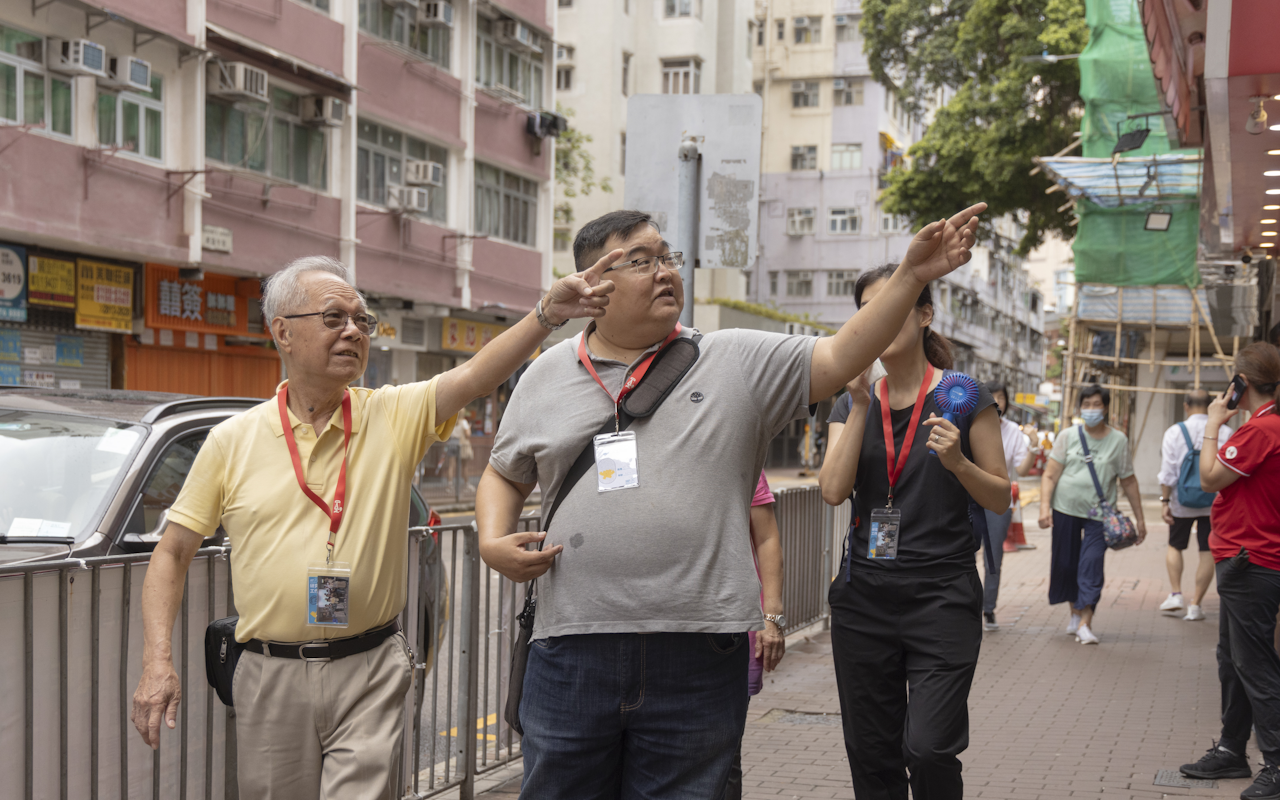
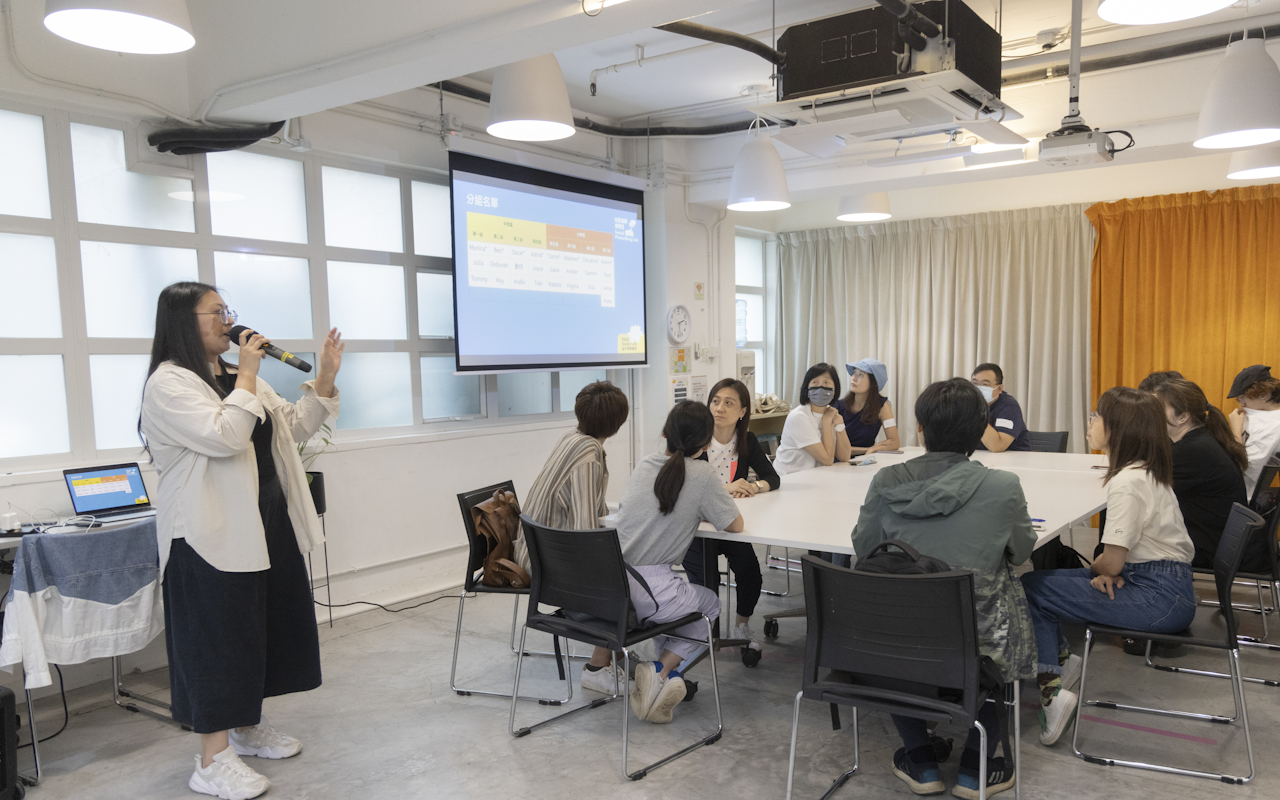
Yet, little is known about the practice of Social Prescribing in Hong Kong. Since early 2024, MaD has been receiving funding from ZeShan Foundation and the Phillip K. H. Wong Foundation to launch the Social Prescribing Lab. This program tests how to alleviate loneliness in older adults through exploring community resources and linking them to individuals, going beyond conventional medically-driven frameworks. The program piloted in Tai Kok Tsui and Sai Ying Pun, where Link Workers of different backgrounds and professions were recruited and trained. They were paired with older adults to establish relationships of trust and to co-create Social Prescribing solutions that were individualized and user-centric. The Link Workers then accompanied the older adults to take part in the prescribed activities.

MaD’s localized model aims to go deep into communities and explore untapped resources for primary healthcare, as well as mobilizing manpower reserves (such as ‘mid-old’ retirees and university students) to relieve pressures on health and social care. Through the process of co-creation and experimentation with older adults, it also aims to build ‘meaningful connections’ that foster social capital, so as to support older adults in overcoming social isolation and improving their quality of life. Ultimately, we hope that this exploration of non-medical community resources could offer alternatives that complement the existing system, thus contributing to the development of community-based primary healthcare for all.

MaD Social Lab team,
Make A Difference Institute

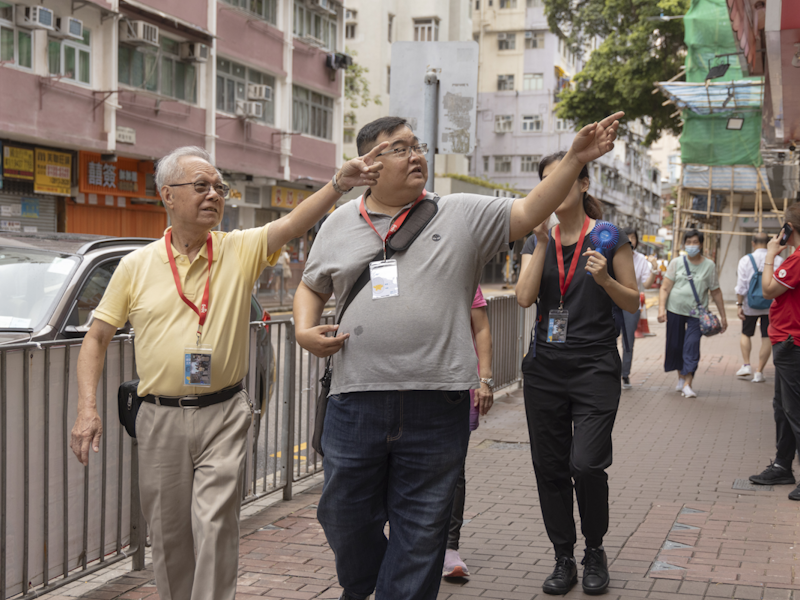
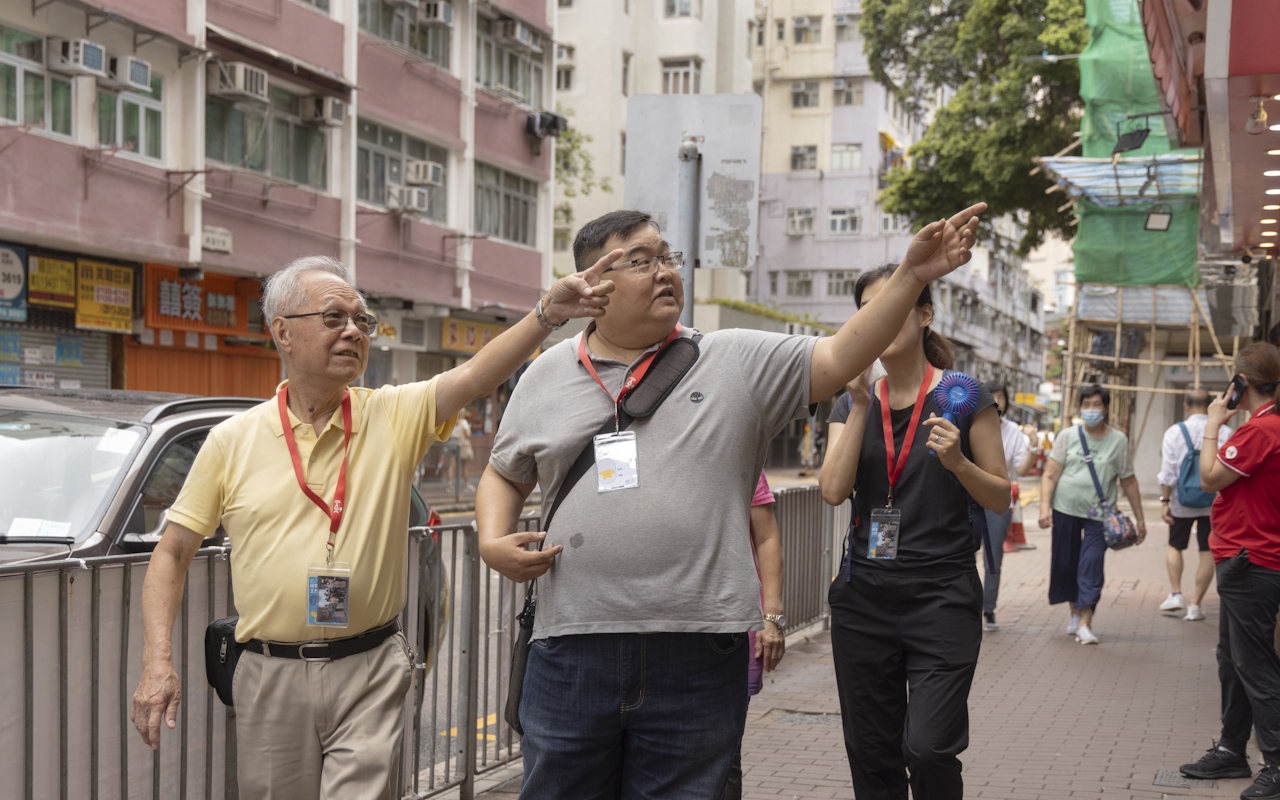
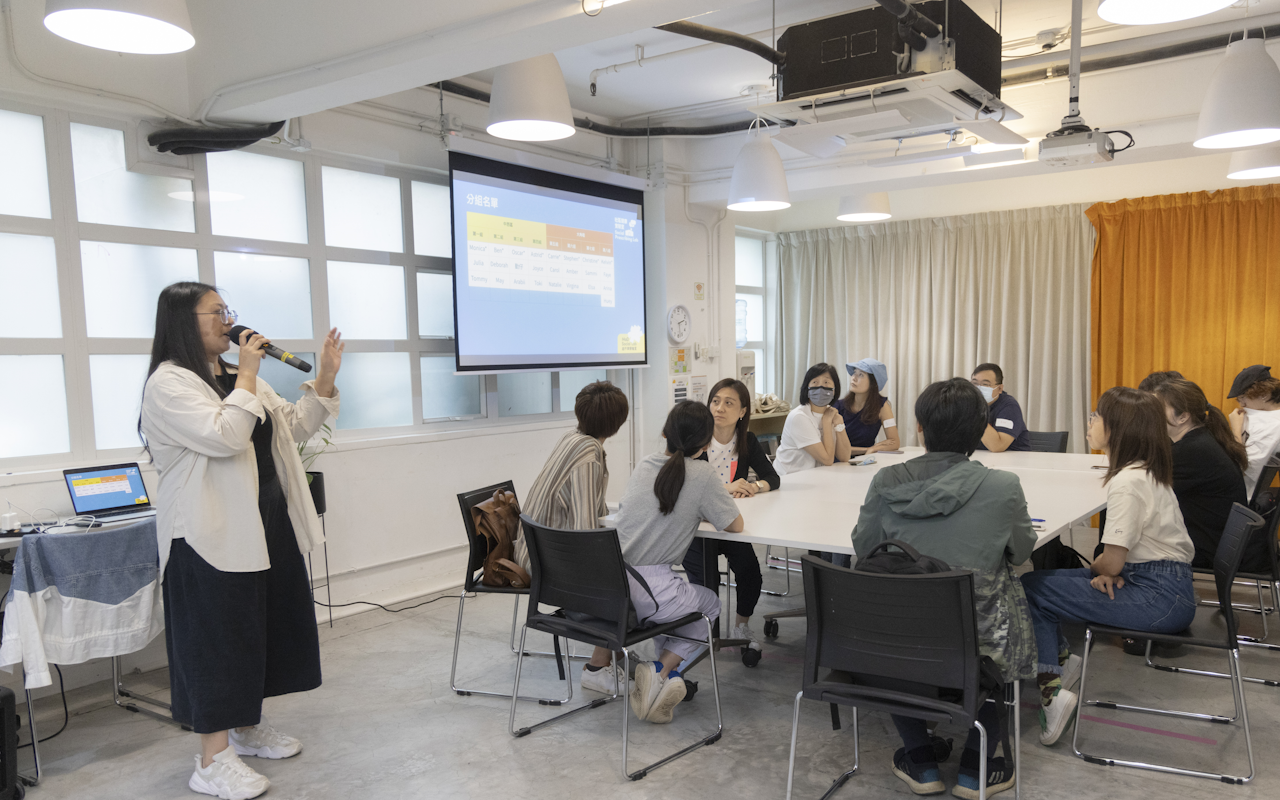
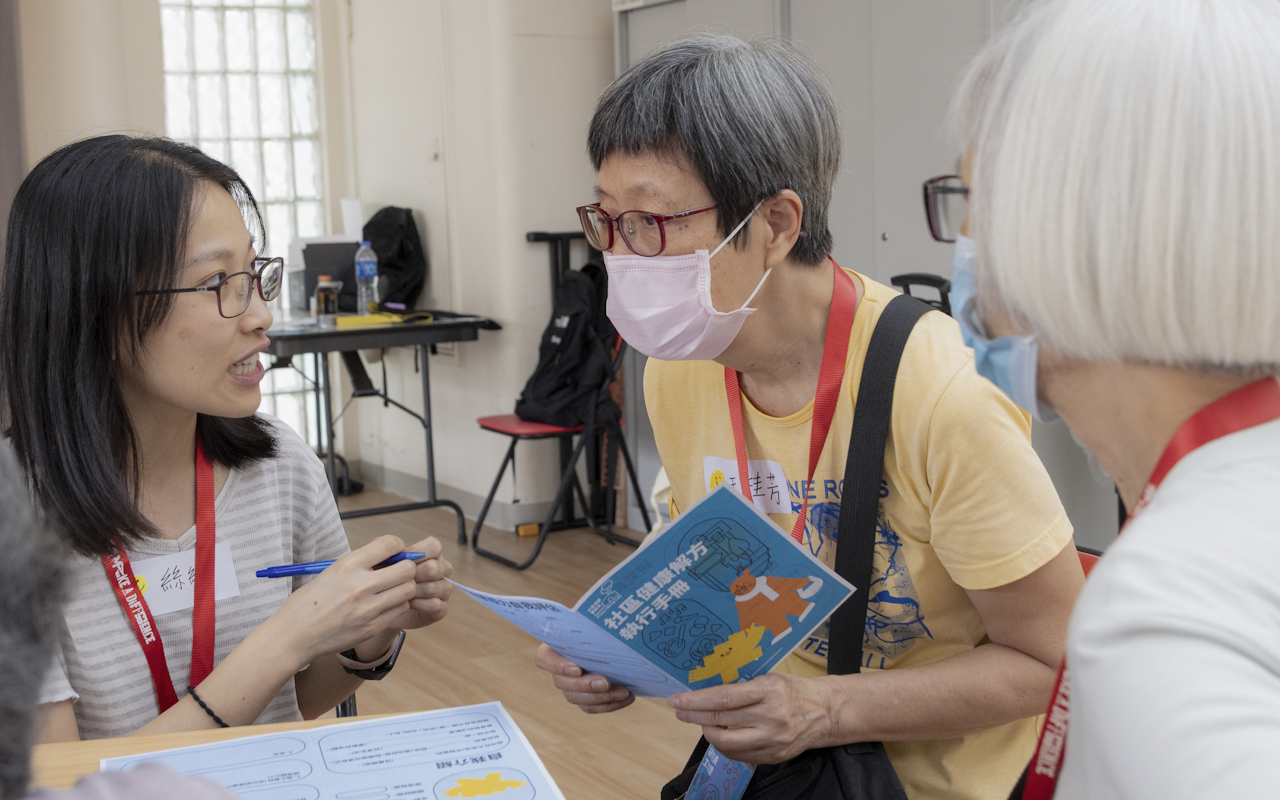
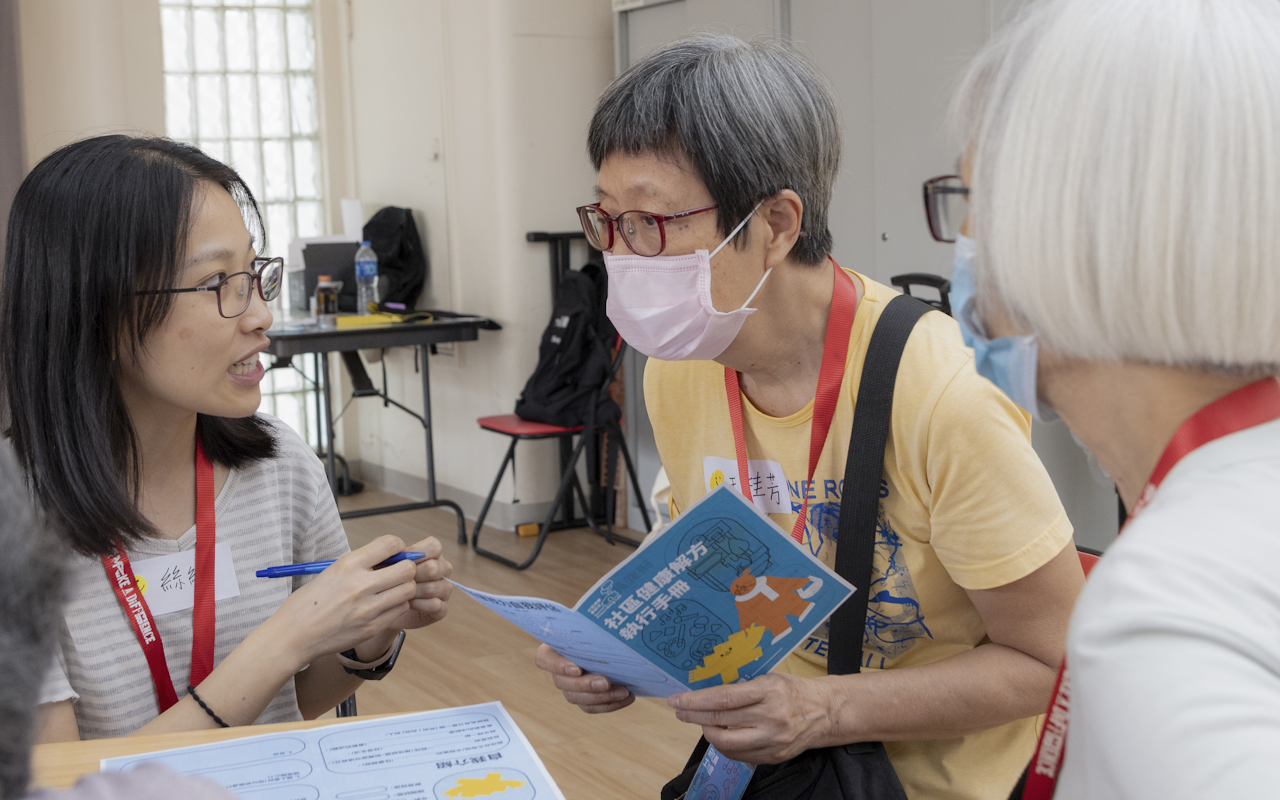
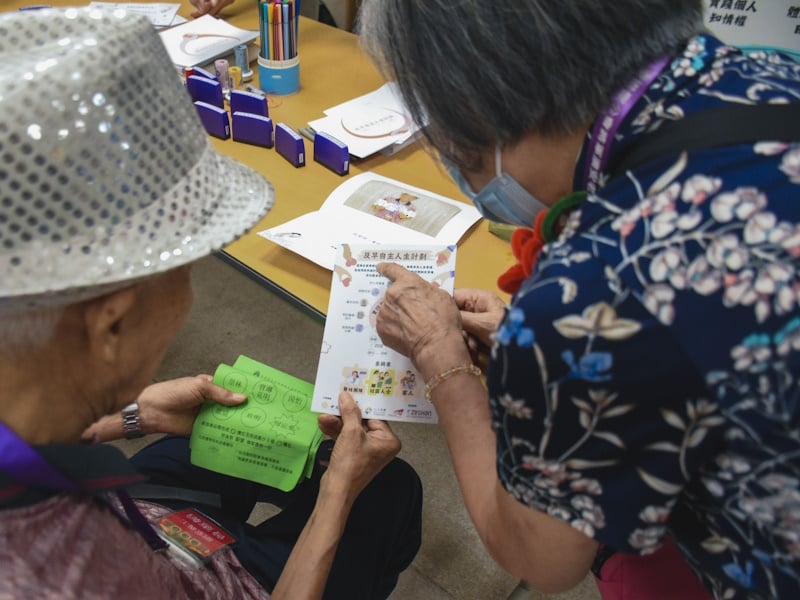
Link Workers and older adults explored Social Prescribing solutions together.

PlayPause
previous arrowprevious arrow
next arrownext arrow
 

Link Workers and older adults explored Social Prescribing solutions together.

PlayPause
previous arrowprevious arrow
next arrownext arrow
 

The World Health Organization has declared loneliness to be a “pressing health threat” worldwide, with health risks comparable to smoking up to 15 cigarettes a day. Many studies have confirmed that loneliness not only increases mortality risks, but also worsens health problems such as hypertension, depression, and anxiety. According to the “Elderly Mental Wellness Telescreening Survey in Hong Kong 2022” conducted by the University of Hong Kong, a third of older adults in Hong Kong suffered from depression, anxiety, or loneliness. Loneliness is clearly spreading in our community and is a cause of mental health issues.

Yet, little is known about the practice of Social Prescribing in Hong Kong. Since early 2024, MaD has been receiving funding from ZeShan Foundation and the Phillip K. H. Wong Foundation to launch the Social Prescribing Lab. This program tests how to alleviate loneliness in older adults through exploring community resources and linking them to individuals, going beyond conventional medically-driven frameworks. The program piloted in Tai Kok Tsui and Sai Ying Pun, where Link Workers of different backgrounds and professions were recruited and trained. They were paired with older adults to establish relationships of trust and to co-create Social Prescribing solutions that were individualized and user-centric. The Link Workers then accompanied the older adults to take part in the prescribed activities.

MaD’s localized model aims to go deep into communities and explore untapped resources for primary healthcare, as well as mobilizing manpower reserves (such as ‘mid-old’ retirees and university students) to relieve pressures on health and social care. Through the process of co-creation and experimentation with older adults, it also aims to build ‘meaningful connections’ that foster social capital, so as to support older adults in overcoming social isolation and improving their quality of life. Ultimately, we hope that this exploration of non-medical community resources could offer alternatives that complement the existing system, thus contributing to the development of community-based primary healthcare for all.

MaD Social Lab team,
Make A Difference Institute

Related Links

The escalating conflicts in Myanmar have led to widespread displacement, exacerbating the humanitarian crisis among vulnerable groups, especially children. Numerous families have been forced into precarious living conditions in camps or host communities where basic necessities and essential safeguards are scarce. This displacement has severely disrupted children's education, exposing them to various forms of exploitation and increasing their vulnerabilities to violence. Indiscriminate shelling, airstrikes, and the presence of unexploded ordnances have not only caused physical harm but also instilled a pervasive sense of insecurity and fear, hampering daily activities and economic recovery.

Kerry Group and ZeShan Foundation, to popularise Care Food and promote exchanges in the food & beverage industry. The Working Group will strengthen community outreach and public education through workshops and exhibitions. It also hopes to drive the development of Care Food Seed Restaurants through collaborations in different communities. This network of eateries will enable people with dysphagia to easily find suitable food and enjoy meals at the same table as their family, thus fostering a caring and inclusive society.

House of Senior Wellness

Happy Ageing Lab Foundation, Hong Kong

House of Senior Wellness

Happy Ageing Lab Foundation, Hong Kong

Against the backdrop of increased longevity, we have witnessed an influx of expertise and ideas across sectors to reimagine various fronts of life after adulthood, from daily living, to participation in learning, work and social activities.  However, when it comes to living space where elders spend most of their time in, we might find it less often to talk about and act on.

Sharing the vision for bridging gaps in senior housing development, ZeShan Foundation teamed up with Ho Cheung Shuk Yuen Charitable Foundation in early 2023 to provide a 2-year capacity building grant for incubating Happy Ageing Lab Foundation as the new think-and-do tank to build a more age-friendly living environment.

Happy Ageing Lab Foundation will keep pushing forward on the endeavours in revamping the design and management of local built environment for healthy ageing, through (i) advancing its capacity in knowledge mobilisation (ii) connecting and supporting more like-minded housing providers & professionals, NGOs, and of course residents to pilot innovative age-friendly housing design around Hong Kong.

ZeShan looks forward to seeing where this journey will lead us to.  May there be more inclusive housing design ideas in bloom? Would it be possible to enrich existing narratives around active ageing?  Let’s stay tuned.

Alexa Li
Assistant Program Manager
ZeShan Foundation

Elderly participants sharing their thoughts on the ideal open space in housing estates during a co-design workshop.

Elderly participants sharing their thoughts on the ideal open space in housing estates during a co-design workshop.

PlayPause
previous arrowprevious arrow
next arrownext arrow
 

Outreach service in the villages

Elderly participants sharing their thoughts on the ideal open space in housing estates during a co-design workshop.

PlayPause
previous arrow
next arrow
 

Against the backdrop of increased longevity, we have witnessed an influx of expertise and ideas across sectors to reimagine various fronts of life after adulthood, from daily living, to participation in learning, work and social activities.  However, when it comes to living space where elders spend most of their time in, we might find it less often to talk about and act on.

Sharing the vision for bridging gaps in senior housing development, ZeShan Foundation teamed up with Ho Cheung Shuk Yuen Charitable Foundation in early 2023 to provide a 2-year capacity building grant for incubating Happy Ageing Lab Foundation as the new think-and-do tank to build a more age-friendly living environment.

Happy Ageing Lab Foundation will keep pushing forward on the endeavours in revamping the design and management of local built environment for healthy ageing, through (i) advancing its capacity in knowledge mobilisation (ii) connecting and supporting more like-minded housing providers & professionals, NGOs, and of course residents to pilot innovative age-friendly housing design around Hong Kong.

ZeShan looks forward to seeing where this journey will lead us to.  May there be more inclusive housing design ideas in bloom? Would it be possible to enrich existing narratives around active ageing?  Let’s stay tuned.


Alexa Li
Assistant Program Manager
ZeShan Foundation


Related Links

Website:

Media (Chinese Only):

Missing Links between Primary Healthcare and Rural Elderly

Sai Kung District Community Center, Hong Kong

Missing Links between Primary Healthcare and Rural Elderly

Sai Kung District Community Center, Hong Kong

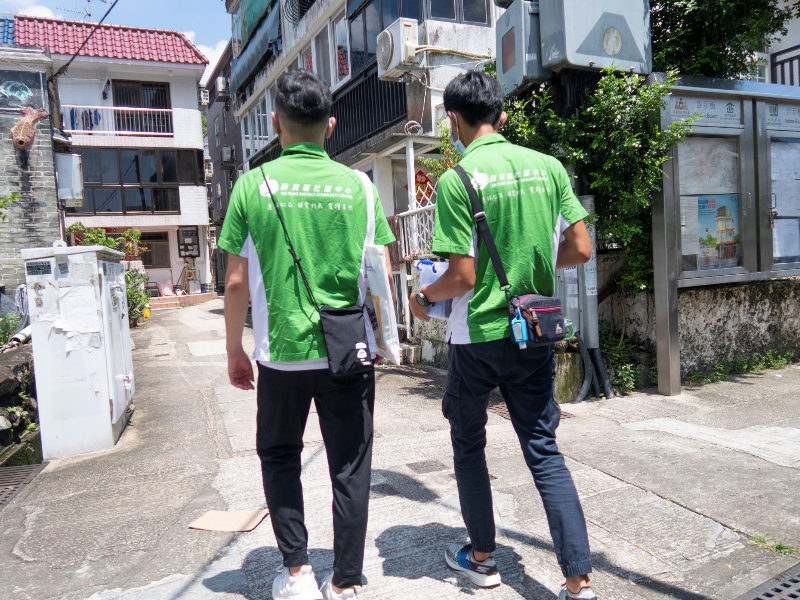
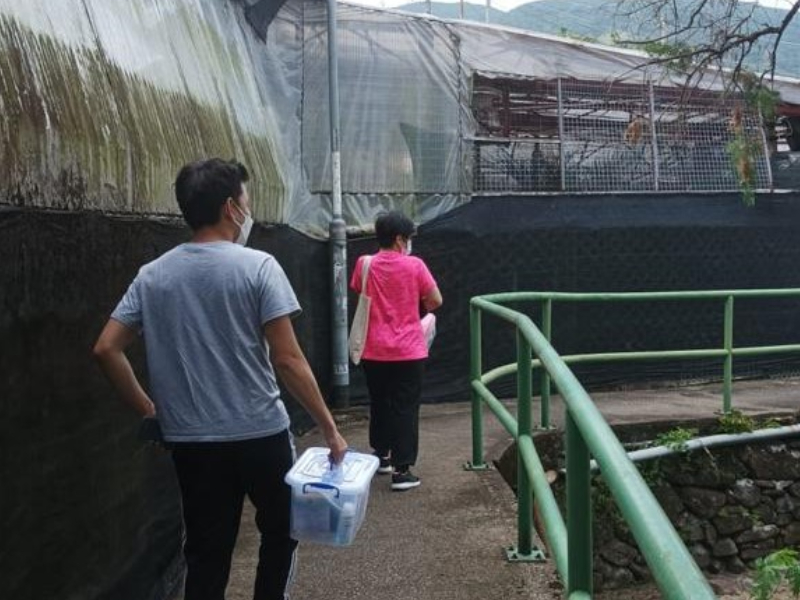
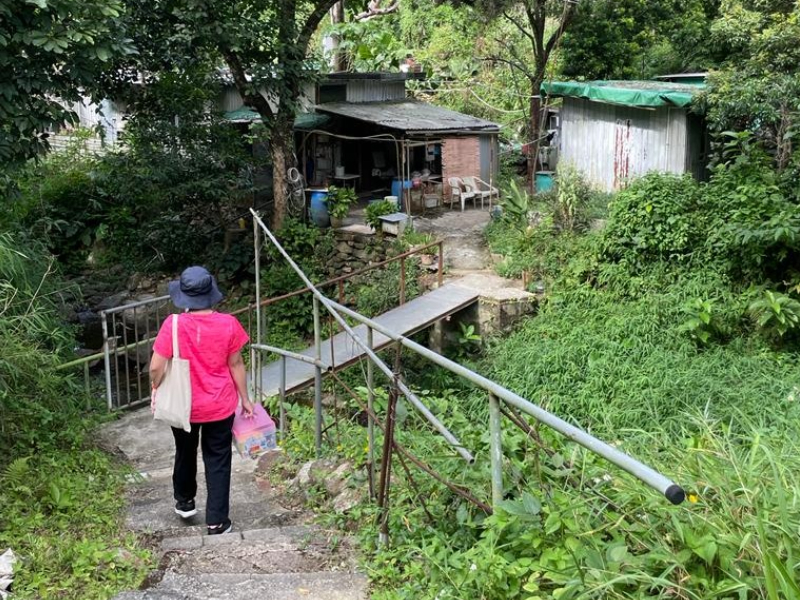
Health inequity in rural areas is sometimes neglected in our city.  In Sai Kung alone, there are more than 158,800 senior citizens, accounting for 32% of the district population.  It is estimated that at least 10,000 of them are still living dispersedly and remotely among 110 rural villages, very far away from the closest major government-funded healthcare facilities in the urban town of Tseung Kwan O.

In addition, insufficient internet coverage remains as one of the greatest hurdles for implementing telehealth services there, as concluded in our supported pilot project by Sai Kung District Community Centre (SKDCC).    Despite numerous barriers, as a community-based NGO, SKDCC continues its pursuit to address the service gaps at the first contact point of primary healthcare system and to explore more effective solutions for ageing-in-place in rural areas.

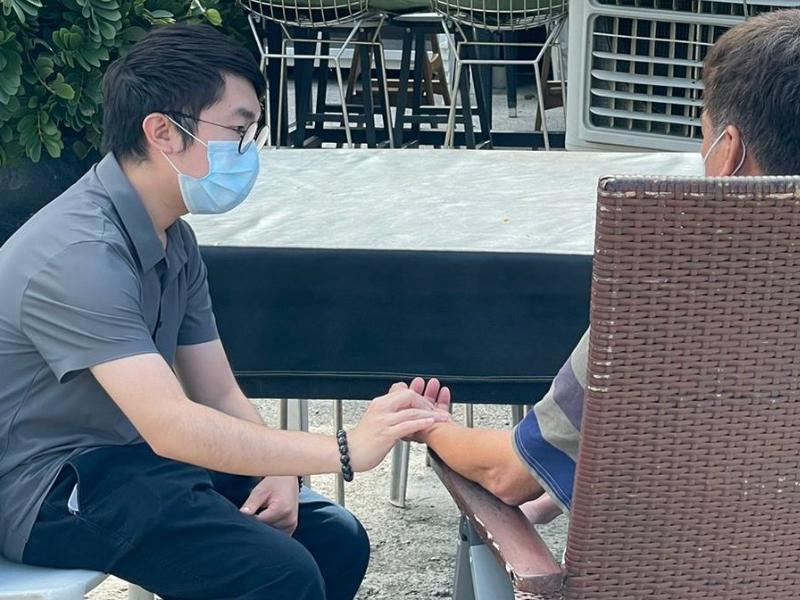
Since July 2022, ZeShan Foundation, together with Kerry Group, has therefore been co-funding SKDCC’s another 3-year pilot project “Mobile Primary Healthcare in Rural Sai Kung for Elderly”. The team has been reaching out to elderly villagers to strengthen their self-efficacy, through combining the use of smart devices for monitoring, health coaching, mobilisation of community health ambassadors and case management, with a more holistic lens of maintaining a better quality of life in terms of healthcare and social connections.   These approaches align with ZeShan’s three guiding principles, namely ‘empowerment’ (by increasing the capacity of older persons to take charge of their own health, and of communities to take care of each), “engagement & collaboration” (by facilitating partnerships among social workers, pharmacies, researchers and community members, including the development of protocols and mechanism of collaboration), and “catalyzing innovations and flexibility” (by providing capital to an NGO such as SKDCC to test new collaborations and engage policy-making stakeholders).

Outreach service in the villages

Outreach service in the villages

PlayPause
previous arrowprevious arrow
next arrownext arrow
 

Outreach service in the villages

Outreach service in the villages

PlayPause
previous arrow
next arrow
 

Health inequity in rural areas is sometimes neglected in our city.  In Sai Kung alone, there are more than 158,800 senior citizens, accounting for 32% of the district population.  It is estimated that at least 10,000 of them are still living dispersedly and remotely among 110 rural villages, very far away from the closest major government-funded healthcare facilities in the urban town of Tseung Kwan O.

In addition, insufficient internet coverage remains as one of the greatest hurdles for implementing telehealth services there, as concluded in our supported pilot project by Sai Kung District Community Centre (SKDCC).    Despite numerous barriers, as a community-based NGO, SKDCC continues its pursuit to address the service gaps at the first contact point of primary healthcare system and to explore more effective solutions for ageing-in-place in rural areas.

Since July 2022, ZeShan Foundation, together with Kerry Group, has therefore been co-funding SKDCC’s another 3-year pilot project “Mobile Primary Healthcare in Rural Sai Kung for Elderly”. The team has been reaching out to elderly villagers to strengthen their self-efficacy, through combining the use of smart devices for monitoring, health coaching, mobilisation of community health ambassadors and case management, with a more holistic lens of maintaining a better quality of life in terms of healthcare and social connections.   These approaches align with ZeShan’s three guiding principles, namely ‘empowerment’ (by increasing the capacity of older persons to take charge of their own health, and of communities to take care of each), “engagement & collaboration” (by facilitating partnerships among social workers, pharmacies, researchers and community members, including the development of protocols and mechanism of collaboration), and “catalyzing innovations and flexibility” (by providing capital to an NGO such as SKDCC to test new collaborations and engage policy-making stakeholders).

Moreover, this project is also testing a community-based referral system for professional treatment and a co-payment system referencing government subsidy scale like Health Care Voucher and Community Care Service Voucher, etc. Evidence-based evaluation would also be conducted in order to assess the project outcomes, including connectivity between social resources and the actual needs for these underserved communities in remote areas.

As an effort to expand its partnership, SKDCC has also received free health coaching for its nurse staff and free nursing support from the project team of HomeAge of the City University of Hong Kong.

Tsz Kwan Lai
Assistant Operations Manager
ZeShan Foundation

Moreover, this project is also testing a community-based referral system for professional treatment and a co-payment system referencing government subsidy scale like Health Care Voucher and Community Care Service Voucher, etc. Evidence-based evaluation would also be conducted in order to assess the project outcomes, including connectivity between social resources and the actual needs for these underserved communities in remote areas.

As an effort to expand its partnership, SKDCC has also received free health coaching for its nurse staff and free nursing support from the project team of HomeAge of the City University of Hong Kong.

Tsz Kwan Lai
Assistant Operations Manager
ZeShan Foundation

Related Links

Website:

Media (Chinese Only):

外展護士:
不單照顧鄉郊長者的醫療需要 關心她們心靈及社福需要 @ 卓越實踐在社福2021
Link (Youtube 平台)

《凝聚香港》-西貢鄉郊流動醫療康健計劃 -重溫(7’39‘’開始)
Link (香港電台 Podcast)

Related Links

Website:

Media (Chinese Only):

外展護士:
不單照顧鄉郊長者的醫療需要 關心她們心靈及社福需要 @ 卓越實踐在社福2021
Link (Youtube 平台)

《凝聚香港》-西貢鄉郊流動醫療康健計劃 -重溫(7’39‘’開始)
Link (香港電台 Podcast)

© Copyright 2026, ZeShan (H.K.) Foundation | Terms and Conditions | Privacy Policy